Tile & stone, sourced where it’s made.
MASTER TILES imports porcelain, ceramic, marble and natural stone from quarries and kilns around the world. Every batch is checked, then shipped to your job in project quantities.
- Type
- Natural stone, calcite
- Finish
- Honed or polished
- Formats
- 305 × 610, 457 × 457, 600 × 600
- Made in
- Mediterranean quarries
- Set with
- White rapid-set C2F
- Type
- Full-body porcelain, rectified
- Finish
- Matte, concrete-look
- Formats
- 600 × 600, 600 × 1200, 1200 × 1200
- Slip
- R10 / P3 typical
- Made in
- Southern Europe & Asia
- Set with
- C2TE S1 deformable
- Type
- Stone chips in cement or resin
- Formats
- 400 × 400, 600 × 600
- Set with
- White C2TE
- Look
- Handmade, uneven glaze
- Formats
- 65 × 200, 100 × 100
- Set with
- C2TE, back-buttered
- Finish
- Filled & honed, or tumbled
- Formats
- 406 × 610, French pattern
- Made in
- Anatolian quarries
- Set with
- White rapid-set C2F
- Finish
- Gloss glaze
- Formats
- 75 × 300, 100 × 300
- Use
- Walls, splashbacks
- Set with
- C1T or C2T
- Finish
- Flamed, honed, polished
- Formats
- 300 × 600, 20 mm and 30 mm
- Made in
- South Asian quarries
- Set with
- C2 S1, outdoor-rated
Select any chip to read its label. Faces show each material’s character, not a specific product.
Picked at the source, not from a catalogue.
Each material has a part of the world that makes it best. Sourcing starts there, and the line below follows an order from the quarry or kiln to your site.
-
Where it’s made
Technical porcelain from Mediterranean kilns, marble and travertine from Aegean quarries, granite from the subcontinent, large formats from Asia’s newest plants. These are the regions the trade looks to first.
-
Italy & Spain Porcelain · ceramic · terrazzo
-
Turkey & Greece Marble · travertine
-
India Granite · sandstone
-
East & Southeast Asia Large-format porcelain · mosaic
-
-
Choosing the source
Stone is chosen by the block at the quarry; porcelain and ceramic by the production line at the kiln. The raw material, the cutting and the finishing are judged before anything is ordered.
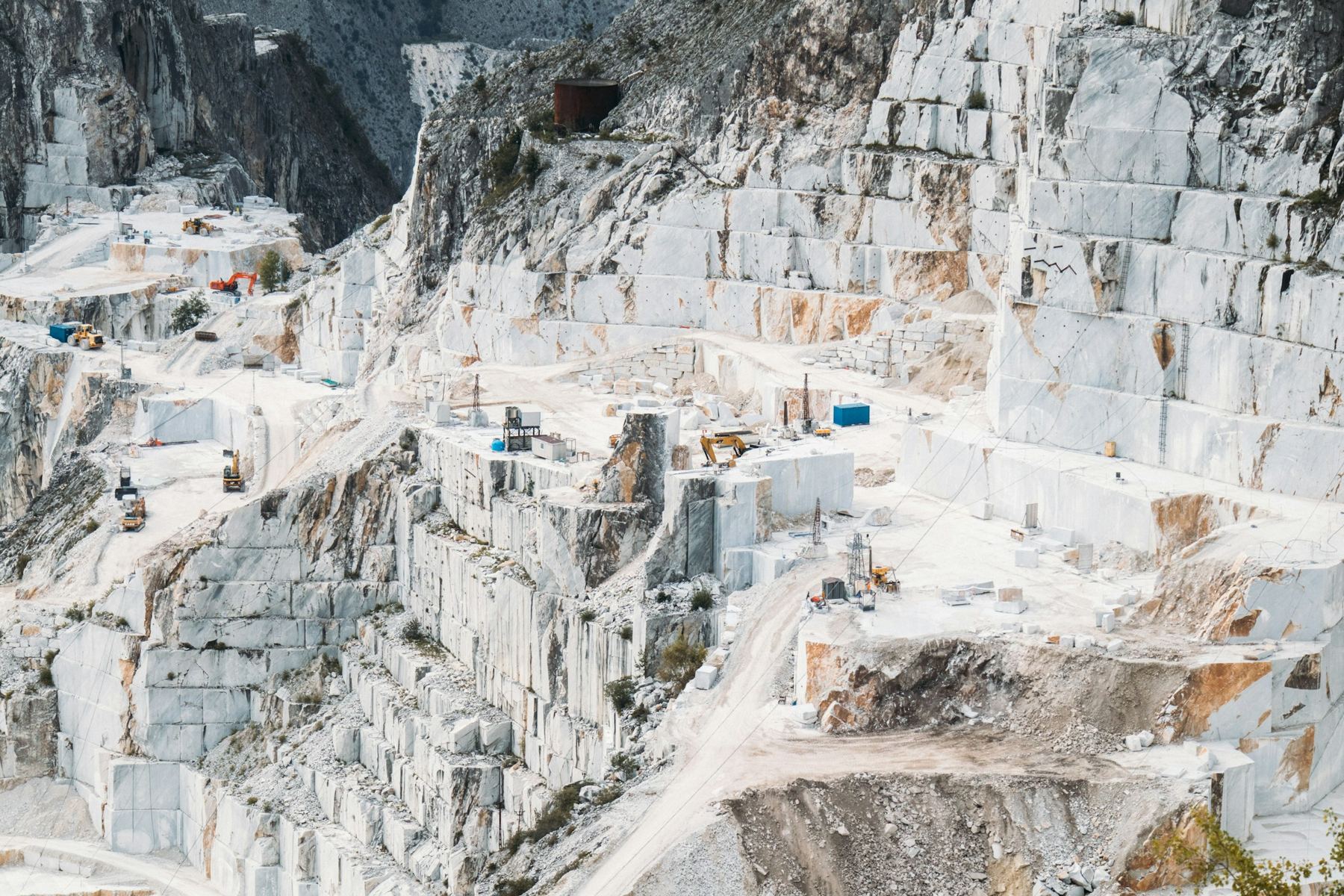
Marble quarry -
Specs before samples
A line worth importing comes with its technical data: slip rating, wear rating (PEI), water absorption, rectification and calibre. If it doesn’t suit Australian trade work, it doesn’t belong on the board.
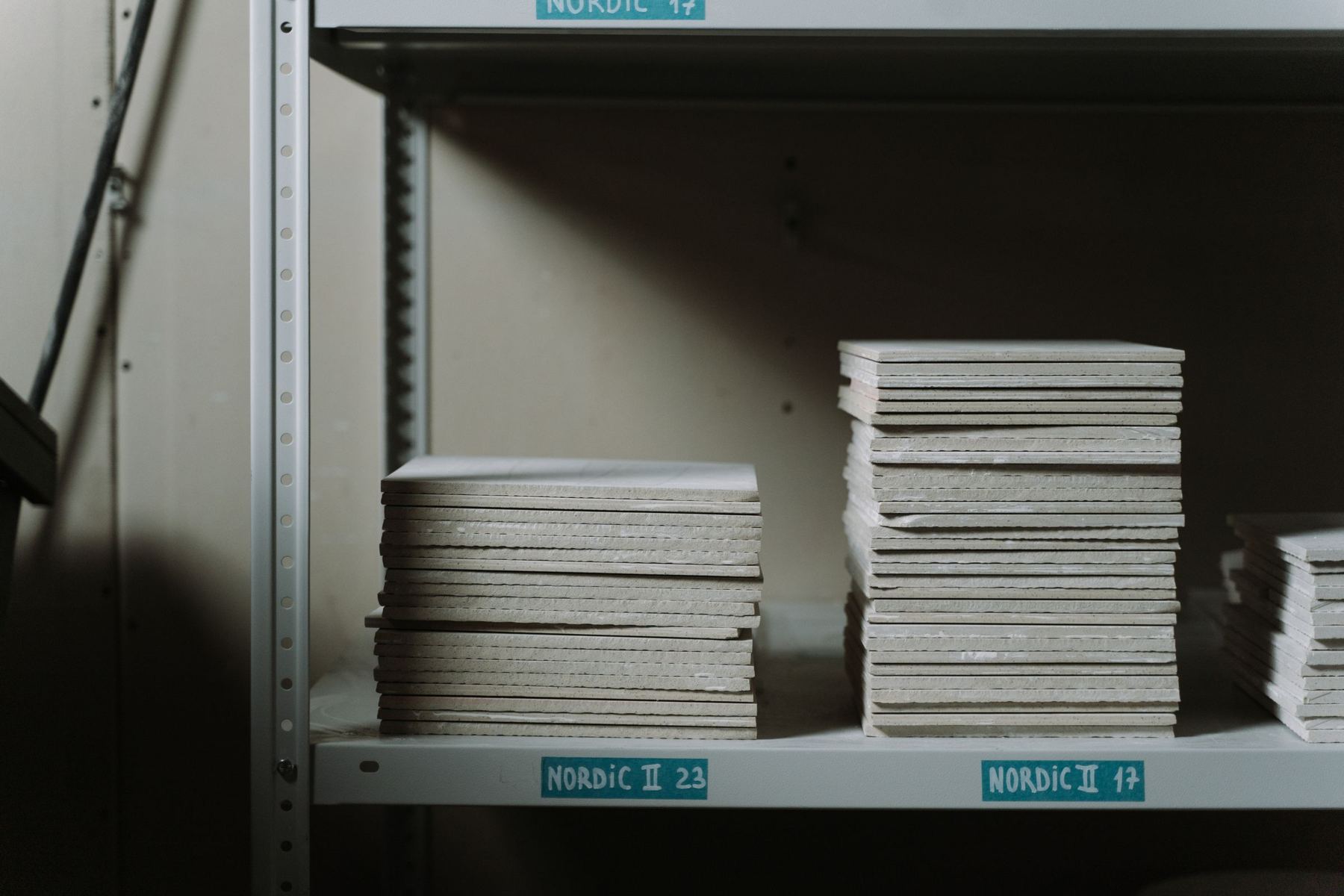
Production stock -
Batch checked
Shade and calibre change between production runs. Recording an order by batch is what makes the last carton match the first; stone is checked for colour range, flatness and chipped edges.
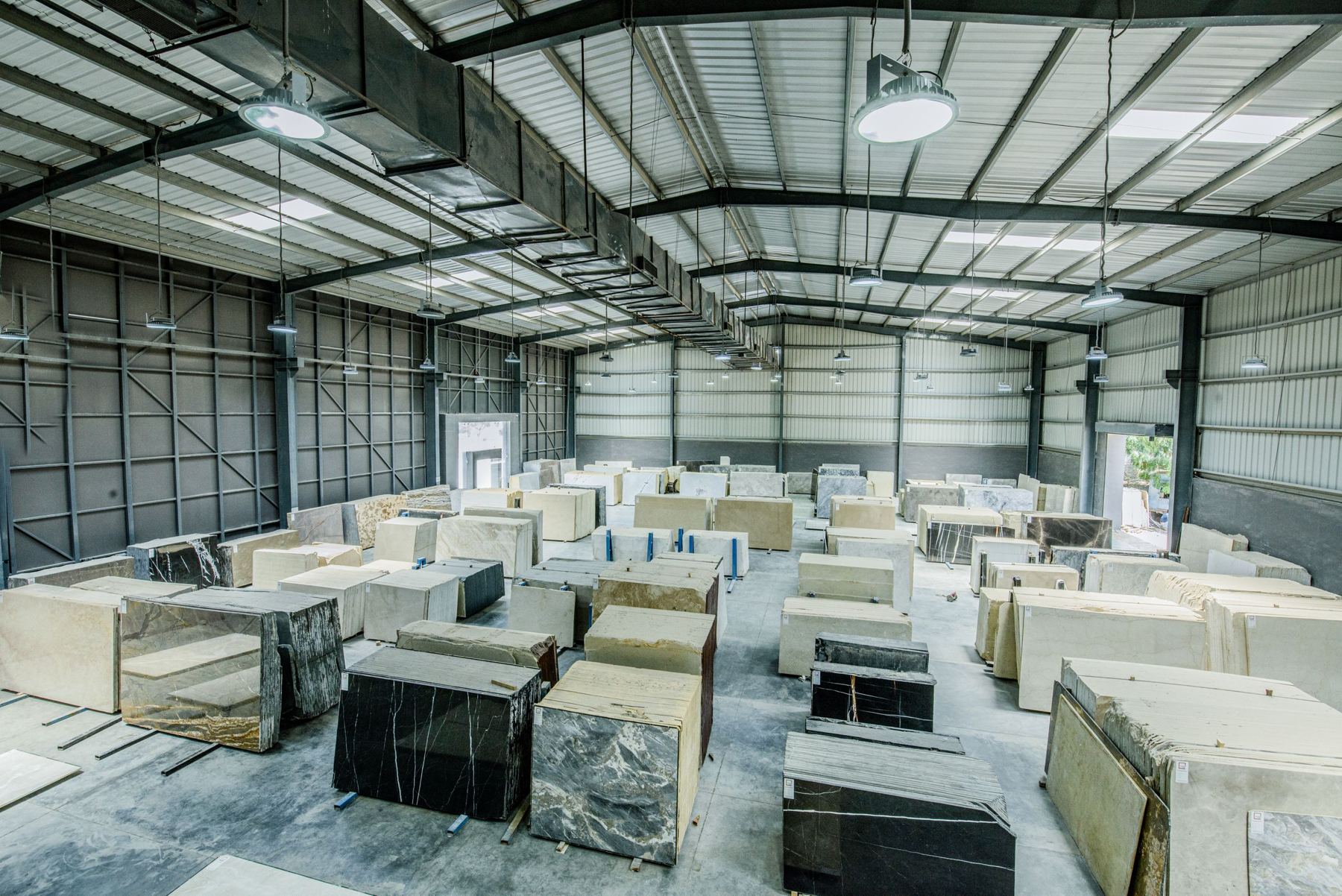
Slabs before dispatch -
Container freight
Pallets strapped and corner-protected, stone crated, and the freight and paperwork handled through to delivery, so the trade deals with one supplier.

Container freight -
Ready to set
Cartons arrive marked with batch and shade, with the adhesive and grout that suit the tile. Your tiler opens the boxes and gets to work.
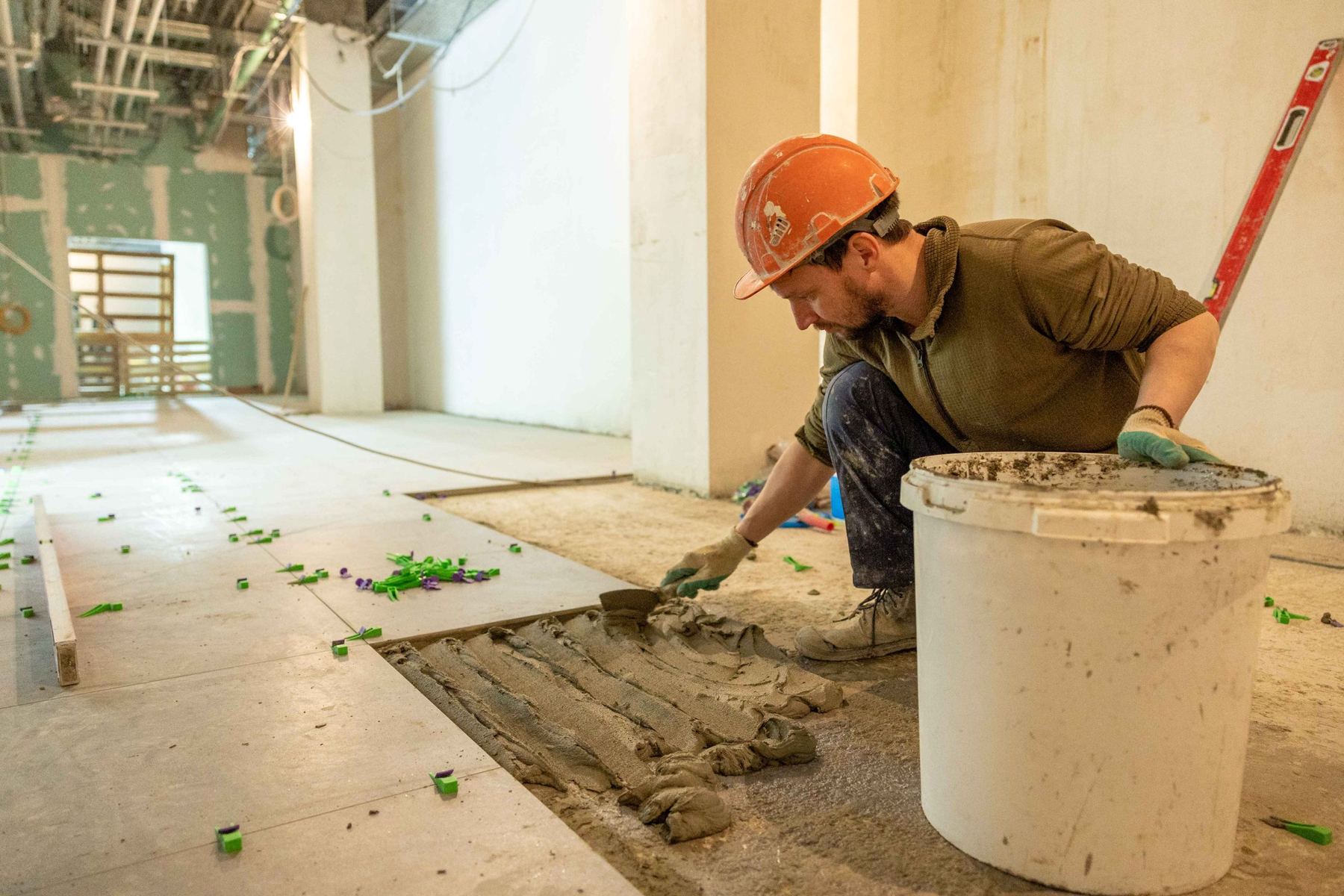
Set and grouted -
Start an enquiryTrade & builders Material, m², location
The line ends with your enquiry
Tell us the material and the square metres. We’ll trace it back to the source.
The range, by material.
From dense porcelain for commercial floors to honed marble for a single bathroom. Each entry lists the formats, finishes and adhesive that suit it.
Dense, low-absorption and hard-wearing. Floors, walls and outdoor areas.
Glazed wall tiles in gloss, matte and handmade looks.
Honed and polished natural marble for bathrooms and feature floors.
Unfilled, filled or tumbled, for interiors, courtyards and pools.
Flamed and honed granite for paving, steps and heavy traffic.
Stone chips set in cement or resin, polished flat.
Sheet-mounted hex, penny and linear mosaics for floors and niches.
20 mm porcelain and stone for decks, pool surrounds and driveways.
Why trades buy direct from the importer.
The job doesn’t care where a tile was stocked. It cares that every box matches, the specs are right, and the adhesive suits the tile.
One batch per order
Shade and calibre move between production runs. A job supplied from one batch reads as one floor.
Shade · calibre · lot recordedSpecs before you buy
Slip resistance, wear rating, water absorption and edge type, from the manufacturer’s data, before the order is placed.
Slip class · PEI · rectified edgeProject quantities
Order to the square metre plus a cutting allowance, so nobody is chasing a matching re-order halfway through the job.
m² + cutting allowanceSetting materials matched
Adhesive and grout chosen for the tile and the substrate, not whatever is on the shelf.
AS ISO 13007 classesFewer hands in between
Buying from an importer means fewer handovers between the factory and your site.
Importer directThe glue matters as much as the tile.
Tile adhesive, the “ceramic glue” on most job sheets, has to suit the tile. Dense porcelain, heavy stone and outdoor work each need a different class.
| Tile | Class | Why |
|---|---|---|
| Wall ceramic | C1T | Porous body grips easily; the T stops tiles slipping down the wall. |
| Porcelain | C2TE | A dense, glassy body needs improved adhesion. |
| Large format, 600 mm and up | C2TE S1 | A deformable bed takes up movement across the long edge. |
| Marble & light stone | C2F white | Rapid set and white cement stop staining and moisture curl. |
| Outdoor & pools | C2 S1 | Flexible enough for heat, frost and water. |
Classes follow AS ISO 13007; installation to AS 3958.1. Always check the adhesive manufacturer’s data sheet for your substrate. Full setting guide.
Got a job to price? Send us the numbers.
Tell us the material, the square metres and where it’s going. We’ll reply with options, specs and lead times.